Drain & Depuff
Facial puffiness and swelling are commonly caused by lymphatic stagnation, fluid retention, inflammation, hormonal shifts, or stress. Depuffing treatments focus on improving lymphatic flow, reducing excess fluid, calming inflammation, and restoring facial definition—especially in the lower face, jawline, and under-eye area.
B/A


Brown exterior
White exterior
Brown exterior
White exterior
Brown exterior
White exterior
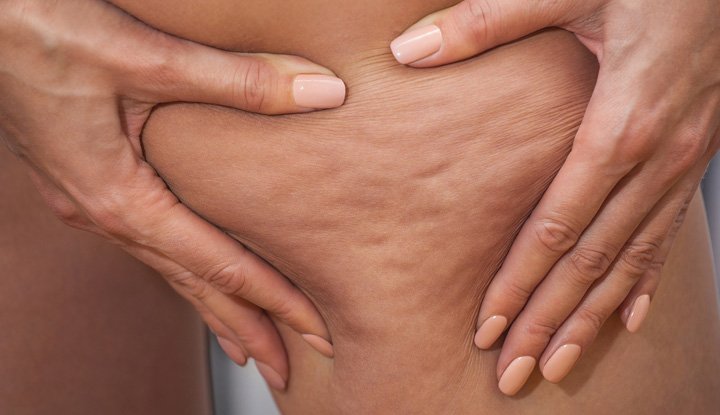
Now address the cellulite concern with
Love Your Body
Best Treatments for Drain & Depuff
CryoSkin Face
CryoSkin Face is the most effective treatment for facial depuffing. Controlled cold exposure causes immediate vasoconstriction, helping reduce swelling, calm inflammation, and tighten tissue. It is especially effective for under-eye puffiness, jawline congestion, and facial fluid retention, with visible depuffing often seen after a single session.
Neurotris Microcurrent (Face)
Neurotris Microcurrent supports depuffing by improving muscle tone and encouraging lymphatic movement through gentle muscle activation. By lifting and re-educating facial muscles, it helps reduce fluid stagnation and improve overall facial contour while enhancing definition.
Endermologie Face
Endermologie Face supports lymphatic drainage and circulation through mechanical tissue stimulation. It helps reduce facial congestion, improve fluid movement, and soften puffiness, especially when swelling is combined with tissue stagnation.
Manual Lymphatic Drainage (Face)
Gentle manual drainage that helps move excess fluid and support circulation. Best used as an adjunct when additional drainage is needed.
Icoone Face
Icoone Face may be used at low, controlled settings to support circulation and mild lymphatic activation. While not a primary depuffing treatment, it can provide supportive benefits when combined with other therapies.
LightStim LED Face Therapy
LightStim LED Face Therapy has a mild supportive effect on depuffing by reducing inflammation and supporting tissue recovery. It is best used as an adjunct to primary depuffing treatments.
Recommended Plan
1–2 sessions per week × 6–10 sessions
Maintenance every 2–4 weeks